 Zimbabwe
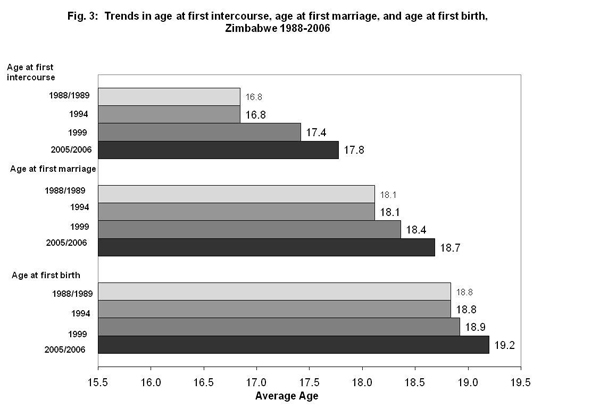
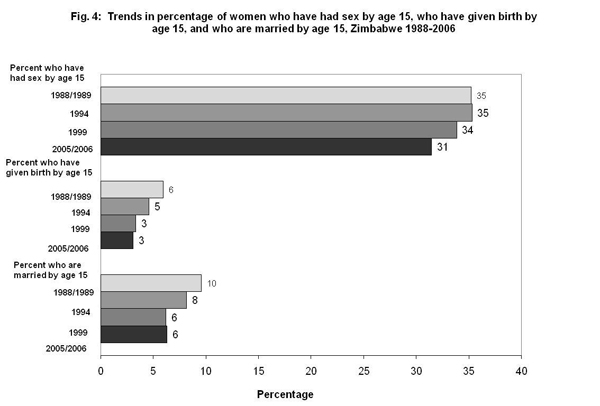
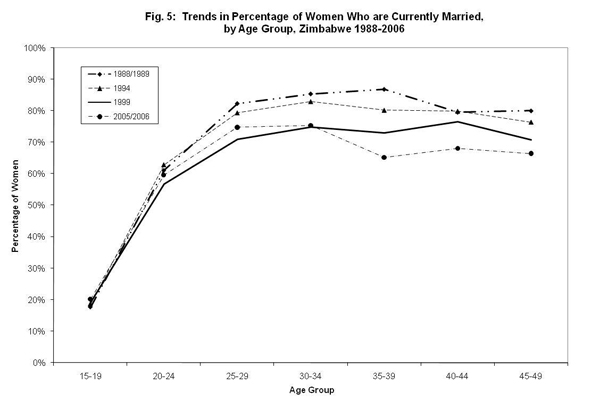
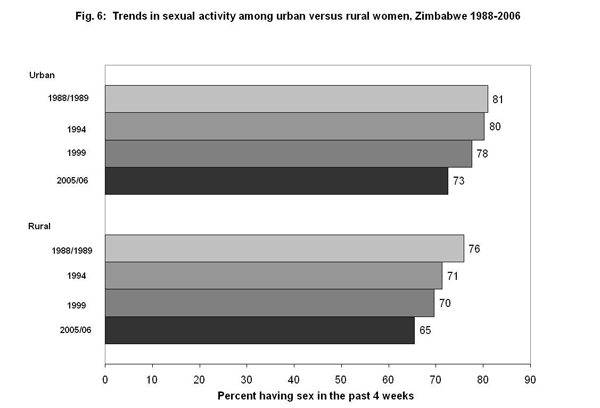
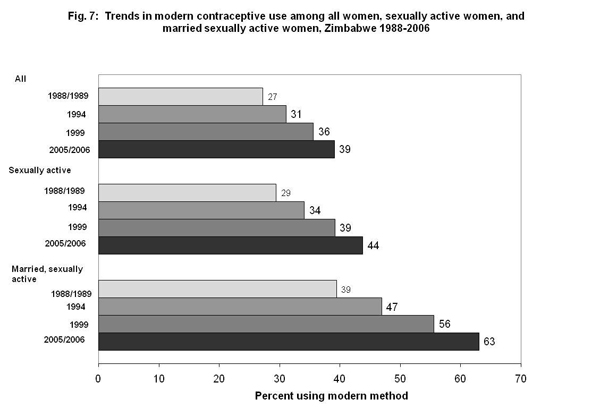
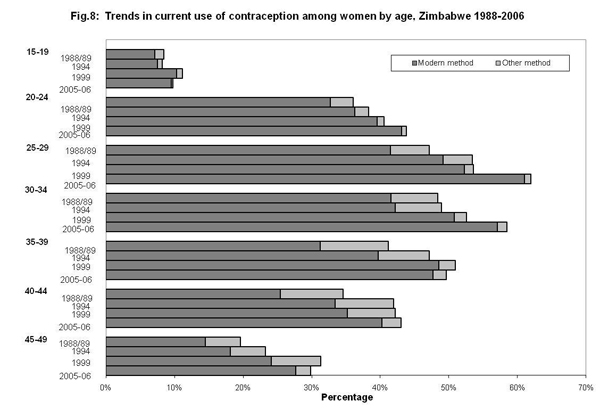
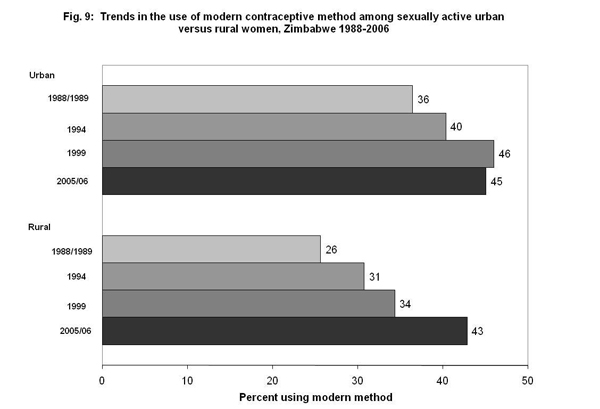
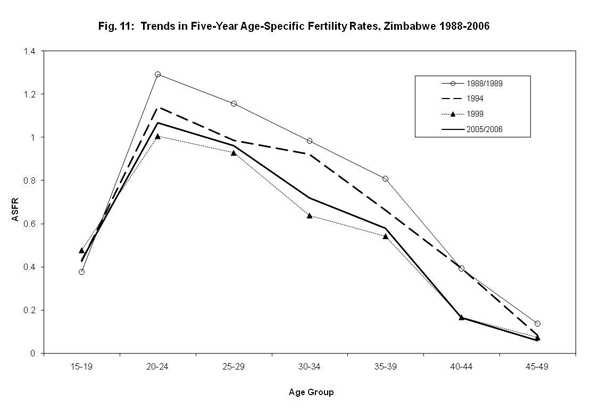
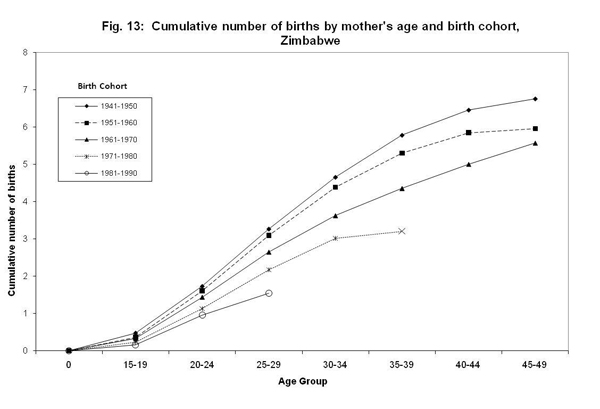
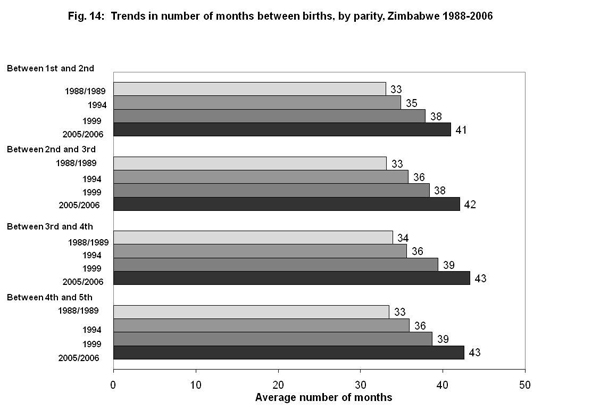
Examination of the trends in Zimbabwe provides mixed evidence as to the cause of the fertility decline stalling. On the one hand, there are many indicators that suggest that fertility decline should continue. These include increases at age at first intercourse, birth, and marriage during the time period in which the fertility decline slows down. Sexual activity has declined, and contraceptive use is up for most groups except for 15-19 year olds, 35-39 year olds, and urban women. Birth spacing is increasing, and cohort fertility is declining.
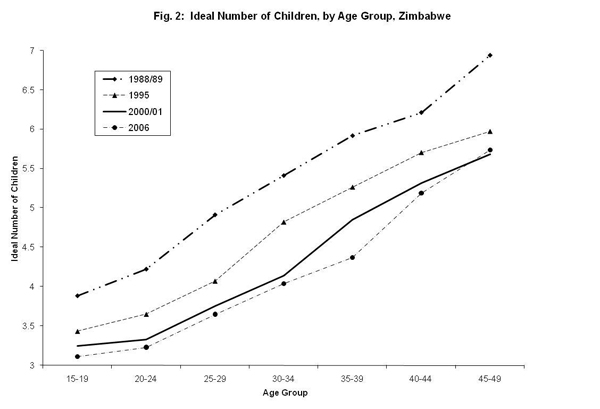
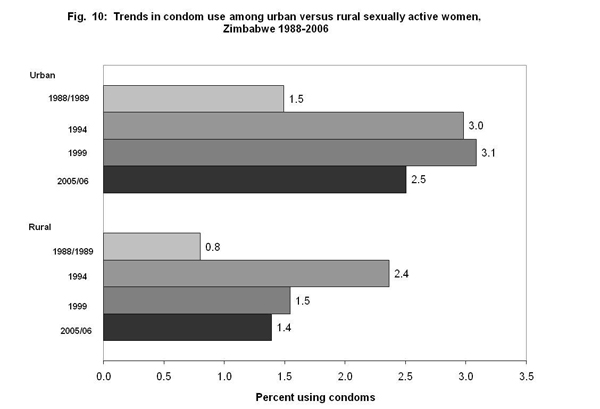
On the other hand, there are indicators that could suggest a stall in the fertility transition. Ideal number of children and the percentage married both slow their declines. Contraceptive use falls or remains constant for 35-39 year olds, 15-19 year olds. Urban modern method use falls. Condom use falls, although it wasn’t high to begin with.
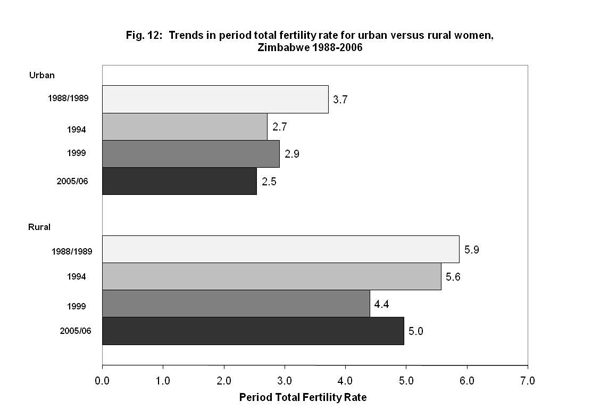
Overall, these different trends suggest that there are some behavioral changes contributing to the stall in the fertility transition. Despite rural women’s increase in contraceptive use and decline in sexual activity, it is their fertility that appears to drive the slow-down. Overall, the trends suggest that women are attempting to avoid HIV (by being married, having less sex, increasing age at first intercourse), but still are deciding to have many children, as evidenced by their stated ideal number of children not declining and the total fertility rates.
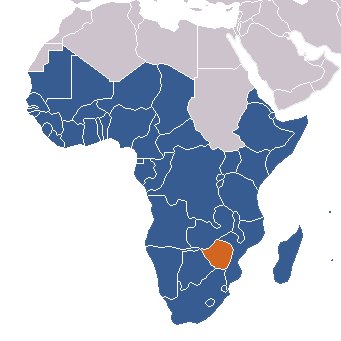
Zimbabwe is highlighted in orange in the map to the right.